Key Takeaways
Tackling toenail fungus in 2026? You’ve got more smart options than ever, and busy professionals can cut through the noise with the right evidence-based, low-hassle routine. Here are the must-know, quick-scan insights for beating mild toenail fungus from the comfort of home—without getting lost in endless remedies or hype.
- Home remedies excel for mild, early infections—look for discoloration on single nails only; thick, painful, or spreading infections require medical treatment, so know your limits.
- Consistency wins over speed—expect visible improvement in 3–6 months, as even proven options like Vicks VapoRub or tea tree oil require daily commitment and patience for gradual results.
- Evidence-backed remedies stand out—options like Vicks VapoRub, snakeroot extract, diluted tea tree oil, and ozonized sunflower oil offer the strongest results at home, with Vicks curing up to 24% of mild cases after 48 weeks.
- OTC antifungal products lead for reliability—liquids or polishes with terbinafine or undecylenic acid are the top medical centers’ first line for at-home care, outpacing most DIY methods especially for fast, robust results.
- Practice strict foot hygiene daily—change socks, rotate shoes, disinfect nail tools, and keep nails short to dramatically boost your odds of success with any remedy.
- Combine remedies carefully but avoid overdoing it—layering a daily topical (like Vicks or tea tree oil) with regular soaks (Listerine or vinegar) is effective, but stop immediately if you notice irritation, redness, or burning.
- Track your progress and set a calendar checkpoint—take weekly nail photos and reassess your plan after 3 months; if the nail shows no healthy new growth, it's time for a pro’s input.
- Act fast on red flags—seek medical care if you notice pain, thickened/deformed nails, spreading infection, or have diabetes/immune issues—waiting can lead to complications that far outweigh DIY convenience.
Want your home remedy plan to actually work? Pair smart, evidence-backed choices with consistent habits—and always know when it’s time to call in the experts. For step-by-step guides and deeper dives, check out the full article!
Introduction
You notice it after a long day—the edges of your toenail turning yellow, maybe a bit thicker than last month. Sound familiar? Over 35 million people will tackle toe nail fungus this year, and if you’ve ever googled “at-home fix,” you know the rabbit hole runs deep.
Why do so many tech-savvy professionals end up hunting for remedies between Slack notifications or Zoom calls? Because professional treatments can cost hundreds per year, require months of appointments, and come with a side of medical jargon no one really has time for.
The good news? Home remedies aren’t just the “old-fashioned” route; they’re making a serious comeback—with new evidence, creative combinations, and rapid-fire advice from online wellness pros, Reddit threads, and busy business owners like you. Whether it’s Vicks from your nightstand, tea tree oil pilfered from your bathroom shelf, or the latest trending “fungus hack” on TikTok, the options are multiplying—and some actually hold up under scrutiny.
In 2026, you’ll want answers to questions like:
- Which home fixes are backed by real data?
- Can you optimize your regimen without wasting time (or your weekend)?
- What red flags mean you should switch from DIY to doctor—and how can you monitor progress like a pro?
You’ll get a straightforward roadmap addressing:
- The science behind today’s top home remedies—not just internet hype
- Practical, step-by-step strategies that suit a packed calendar
- Evidence-based pros and cons—so you can set your expectations and avoid frustrating detours
Ready for modern, accessible solutions that fit your workflow—and might even surprise your doctor? Let’s break down what works, what’s overhyped, and how you can outsmart toenail fungus without losing sight of your daily priorities.
First up: what exactly is happening under your nail, and why do smart professionals keep searching for a better way to treat it at home?
Understanding Toenail Fungus and Home Remedy Appeal
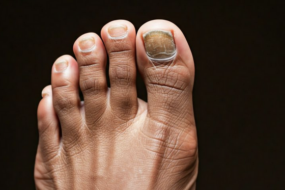
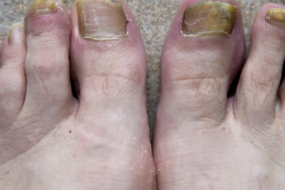
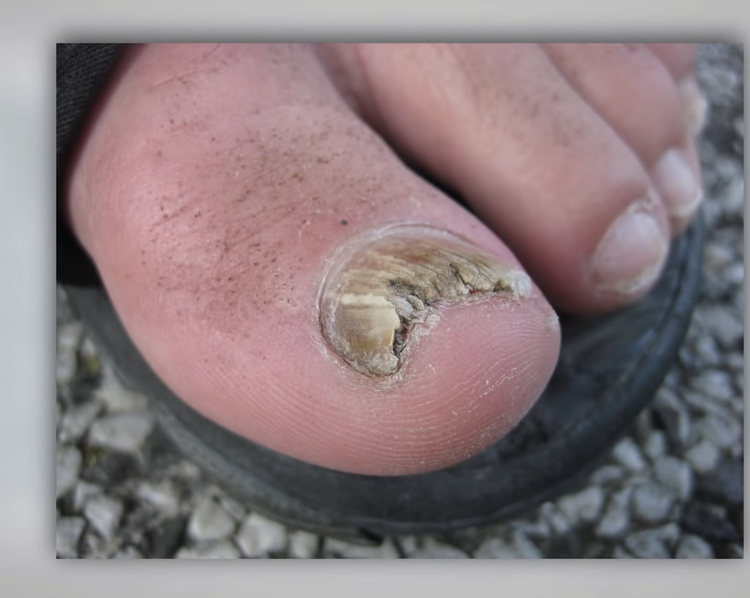
Toenail fungus—formally called onychomycosis—is a slow-moving infection that makes nails thick, discolored, and crumbly.
It creeps in when fungi find a warm, damp home under your nail, often after injury, sweaty shoes, or communal showers.
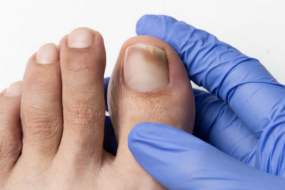
Picture this: you notice your big toenail turning yellow and a little ragged—that’s classic early fungus.
Why Home Remedies? Cost, Convenience, and Going Natural
Professional treatments can cost upwards of $500/year and may require months of prescription medication.
Many people reach for home remedies because they’re:
- Affordable (kitchen ingredients often under $10)
- Incredibly easy to use without a doctor visit
- Touted as “natural” by online communities that value wellness routines
You might already have the basics—think Vicks VapoRub, tea tree oil, or apple cider vinegar—right in your cabinet.
It’s no wonder “DIY” toenail fungus searches spike every summer.
Limits of Home Remedies and Why Severity Matters
Here’s the catch: home remedies mostly help mild, early infections—that means less than 50% of a single nail, no pain, and still easily recognizable nail shape.
Advanced infections (involving multiple nails, thickening, or pain) are tougher, often needing medical antifungal treatments or even outpatient procedures.
Quick cheat sheet:
- Best for: Single, mildly discolored nails without deformity
- Medical care needed: Spreading, painful, or thick nails, or if you have diabetes/immune issues
“Don’t expect overnight miracles—nail fungus isn’t a quick fix,” is advice you’ll hear from every dermatologist.
Timeframes and Managing Expectations
You'll want to see visible improvement in 3–6 months, even with diligent daily treatment.
Common misconceptions include:
- “If it’s natural, it’s always safe.” (Some oils can cause skin burns or allergies.)
- “All at-home treatments are equally effective.” (Only a handful have real evidence.)
Patience is key—nails grow about 1–2 mm/month, so rushing or mixing every remedy at once won’t speed things up.
If you start today, focus on consistency, tracking your results, and knowing when it’s time to call in a pro.
A quick summary: For most busy professionals, home remedies are best as a starting point for mild toenail fungus. Pick a method, stick with it, and set your expectations to “slow and steady progress”—not instant cure.
Evidence-Based Home Remedies: What Actually Works?
Vicks VapoRub (Mentholated Ointment)
It’s surprising, but that blue jar in your medicine cabinet actually packs a punch against mild toenail fungus.
A 2011 clinical study found that over half of users saw improvement with daily Vicks, and about 24% achieved a complete cure after 48 weeks—not instant, but steady.
- How to use:
- Apply a small dab to the infected nail and tip of the toe, once daily.
- Optimize contact by rubbing gently under the nail edge if you can, then cover with a sock.
- Pros: Affordable, easy to find, low risk for most adults.
- Cons: Patience required—think months, not weeks.
- Safety:
- Most people tolerate it well.
- Avoid if you have a menthol or camphor allergy.
“Vicks isn’t quick—but for mild infections, it can be a wallet-friendly, easy win.”
Snakeroot Extract
What’s snakeroot? It’s a plant-based topical used in Mexico and parts of Europe.
- In studies (including diabetic patients) it was as effective as prescription ciclopirox for onychomycosis.
- Tapering schedule:
- Apply every third day (month 1)
- Twice a week (month 2)
- Once a week (month 3)
- Challenges:
- Harder to find outside specialty stores
- Quality varies—look for “Ageratina pichinchensis” and reputable suppliers.
“Picture this: a natural remedy pacing toe-to-toe with prescriptions—just much trickier to source.”
Tea Tree Oil and Oregano Oil
If you’re drawn to essential oils, these two have actual clinical backing—but use with care.
- Studies:
- Tea tree oil can match clotrimazole cream, but cure rates are low across the board.
- Oregano oil’s active thymol is potent but irritating.
- How-to:
- Always dilute (few drops in coconut/olive oil)
- Apply to nail and skin twice daily
- Watch for redness or burning—stop if it develops
- Pro tip: Test a small area first; skip if pregnant/nursing or with skin conditions.
- Combining both? Only for the brave—more is definitely not better here.
Ozonized Sunflower Oil
This newcomer is generating buzz in 2026 with a 2022 review showing superior results compared to standard creams.
- Use:
- Apply to the affected nail twice daily for at least 3 months
- Find:
- Look for “ozonized” or “ozone-treated” on the label, usually sold online or at specialty health retailers.
“If you want to try what’s trending, ozonized sunflower oil is the new MVP for natural-minded DIYers.”
Listerine (Eucalyptus/Thymol) and Eucalyptus Oil
Don’t underestimate your mouthwash: amber Listerine’s mix of thymol, menthol, and eucalyptus has real antifungal power.
- Evidence:
- Studies are smaller, but many report improvements.
- How to:
- Soak your foot in undiluted Listerine for 15–30 minutes daily.
- Pros: Cheap, simple, unlikely to backfire.
- Cons: Relies more on consistency than brute strength.
“Grab a bottle from your bathroom and give your toes a minty, fungus-fighting spa session.”
The takeaway? Not all home remedies are created equal. For mild, early infections, these evidence-backed options can offer real benefits—if you stick with them and track your results. Think slow and steady, and give each remedy at least three months before judging progress.
Remedies With Limited or Anecdotal Support
Apple Cider Vinegar, Baking Soda, Garlic, and Coconut Oil
Some home staples pop up everywhere in internet advice, but the science is mixed—so let’s get honest about what we know.
Apple cider vinegar (ACV) is a go-to for “DIY” wellness, mainly due to its acidity and broad antimicrobial effects in lab settings.
- No large clinical studies confirm ACV soaks cure toenail fungus, but many users report mild improvements.
- Quick method: Mix 1 part ACV with 1–2 parts warm water, soak feet for 15–20 minutes daily, then dry well.
Baking soda is trending on social (hello, home science fans) for its ability to inhibit fungus in test tubes.
- Use as a wet paste on the nail for up to 15 minutes.
- Sprinkle into socks for extra dryness.
- Beware: Prolonged skin contact can mean dryness or cracking—moisturize after use.
Garlic is famous worldwide as a kitchen cure, packing a punch thanks to allicin.
- Apply lightly crushed garlic for 20–30 minutes daily, then rinse thoroughly.
- Overdoing it risks a painful garlic burn (picture that, not pleasant).
- Garlic capsules are another route; results are variable.
Coconut oil has cult status due to fatty acids like caprylic acid showing antifungal activity.
- Rub on the nail 2–3×/day, or use as a base with a drop of essential oil.
- Coconut oil is gentle but not proven effective for toenail fungus alone.
Pro tip: These remedies cost just pennies per application, but expect weeks to months of trial before judging results.
“Even classic kitchen cures need time on the clock—think in months, not days.”
Less-Studied Alternatives: Propolis, Spirulina, Spruce Resin, and Probiotics
Looking for innovation? A few intriguing natural options are trending, but human data is sparse:
- Propolis (bee resin): Shown to disrupt fungus in lab settings; used in folk medicine, but clinical proof is limited.
- Spirulina: May support nail health through antioxidants.
- Spruce resin: Offers wound-healing and antifungal actions in Scandinavian cultures.
- Probiotics: Claimed to “rebalance” skin flora, but direct nail effects are unproven.
Most of these alternatives are best as “supportive care”—meaning, use alongside established remedies, not instead.
“Picture this: You’re experimenting with propolis drops or a spirulina-infused balm, tracking results step by step like a home lab tech.”
Creative Combos and Global Popularity
You’ll see combinations in wellness forums—like coconut oil blended with tea tree or garlic, or baking soda added to vinegar soaks for double-duty action.
Globally, these cures survive because they’re accessible, affordable, and low-risk for mild cases—not because they’re miracle workers.
A quick recap: These natural remedies can support mild cases, but they’re slow, unproven, and best combined with other methods. Stick with gentle application, monitor skin reactions, and set your expectations on a realistic timeline.
What the Experts Say: Medical Center & Clinical Recommendations
Major Medical Choices: What Top Clinics Actually Endorse
Wondering which remedies get a nod from the pros? Mayo Clinic, WebMD, and Cleveland Clinic have clear guidance— and it’s pretty eye-opening.
Most experts recommend:
- Start with OTC antifungal products: Topical liquids, creams, or nail polishes with terbinafine or undecylenic acid are still “at-home care,” but they’re more reliable than most DIY methods.
- Mild nod to selective natural remedies: Tea tree oil, snakeroot, and Vicks VapoRub show up in some recommendations, but mainly for mild or early infections.
- Cautious on the classics: Apple cider vinegar, garlic, and baking soda? Popular on forums, but Cleveland Clinic calls them “rarely effective” for moderate or severe fungus.
Quick-View: Clinical Endorsements Table
If you’re treating a tough case or want the fastest path, top medical sites say OTC products are the practical starting point—natural remedies can help, but mostly for mild cases.
Set Your Timeline: How Long Does It Take?
Here’s the honest truth: Toenail fungus treatments are a marathon, not a sprint.
- Visible change? Expect 3–6 months for improvement, and even longer for completely clear nails.
- Even OTC antifungals require patience—they must outlast the slow growth of your nails.
- Progress checkpoint: If you see no new healthy nail at the base after 3 months of diligent use, it’s time for a switch or specialist input.
Avoid common pitfalls:
- Don’t rely only on home hacks for extensive, thick, or painful infection.
- Monitor closely—take weekly nail photos to spot changes, since it’s easy to lose perspective.
“The best home remedy is the one you actually use—consistently, for months.”
The Essential Takeaways: What To Really Expect
“Picture this: You’re busy, so you pick the method that fits your lifestyle—maybe a daily tea tree oil dab or a post-shower OTC polish.”
But know that pro-level antifungals are the gold standard for tough cases, with natural options playing a supporting role.
Takeaway: Start with what’s backed by evidence, stick to a schedule, and reassess if you’re not seeing healthy growth. Consistency and realistic expectations are the real home routine essentials.
Maximizing Success: Best Practices for At-Home Treatment
Daily Hygiene and Foot Care Routines
Keeping your feet dry and nails well-groomed is the bedrock of any toenail fungus recovery plan.
Moisture is a fungus’s best friend—so change socks daily, rotate shoes, and pick breathable materials to minimize sweat.
It’s smart to add these into your daily routine:
- Disinfect nail clippers before and after every use
- Trim nails straight across and keep them short to limit fungal hiding spots
- Wipe between toes after showers (use a clean towel each time)
- Never share foot care tools—it’s a recipe for cross-contamination
Think of this as your “defense lineup”—solid basics that make any remedy more effective.
“Picture this: cutting your nails, wiping down tools, and slipping on dry socks—all in under five minutes. That’s more powerful for prevention than the trendiest oil.”
Smart Remedy Combinations and Layered Approaches
Combining remedies is a pivotal strategy in 2026—more people are layering at-home solutions with OTC antifungals for an incremental edge.
Here’s a proven, multi-layer approach:
- Apply a proven home remedy (like Vicks VapoRub or diluted tea tree oil) once or twice per day
- Soak your foot in amber Listerine or apple cider vinegar three times per week
- Layer on an OTC antifungal liquid or polish (terbinafine, undecylenic acid) per package instructions
Monitor for red flags:
- If you see redness, burning, or peeling, scale back or change remedies—irritation can sideline your efforts faster than fungus itself
- Take weekly photos to watch trends, not just wish for change
Social snippet: “Stacking remedies is popular, but irritation is your signal to pause, not push harder.”
Creating a Personal Action Plan
The best plan is one you’ll stick with—so tailor it to your time, health, and what’s in your cabinet.
Build your regimen with these steps:
- Pick 1-2 remedies available to you and confirm you’re not allergic (do a patch test if unsure)
- Use a photo log—snap a weekly shot of your nail so you have hard evidence of improvement (or not)
- Set a calendar reminder to reassess results at 3 months, since visible changes are slow—most see new healthy growth, not instant clarity
Sample “minimal plan” for mild cases:
- Apply Vicks or diluted tea tree oil daily
- Soak with Listerine or vinegar twice weekly
- Monitor with photos, continue for three months before judging next steps
If you don’t notice a healthier-looking nail base by 3 months, consider consulting a professional. The right combo of high-probability remedies and committed routine is the closest thing to a home advantage.
The best way to outsmart toenail fungus: combine smart hygiene, strategic remedy stacks, and a measured, photo-backed routine—patience plus consistency wins the fight.
Knowing When Home Remedies Aren’t Enough: Medical Red Flags
Warning Signs That Require Professional Care
Home remedies can help, but sometimes toenail fungus goes beyond the scope of DIY treatment.
Watch for these red flags—if you spot any, it’s time to call a healthcare provider:
- Persistent pain or increasing discomfort in the toe or toenail
- Nail becomes thick, severely deformed, or detaches from the nail bed
- Infection spreads to multiple nails, the skin, or causes redness/swelling around the toe
- Pus, drainage, foul odor, or signs the problem is spreading up the foot
If you notice itching, burning, or a rash creeping up your foot, picture this: your body’s sending a warning that the infection is no longer local—it’s moving and needs medical backup.
It’s especially important to seek care fast if you:
- Have diabetes, poor circulation, immune compromise, or take immunosuppressive medications
- Notice even minor changes in color, shape, or sensation in your feet or toes
- Develop any open sores or wounds near the infected nail
“Don’t tough it out—serious complications can develop quickly if you have underlying health issues.”
Medical Treatment Options Overview
When home remedies hit their limit, medical therapy steps in.
Here’s what the next level looks like:
- Prescription antifungal pills (e.g., terbinafine, itraconazole) for moderate/severe or multiple-nail infections
- Prescription topical lacquers (efinaconazole, tavaborole) for those avoiding oral meds or with mild disease
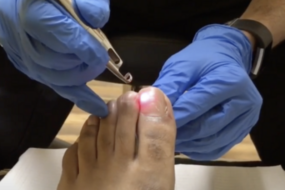
- Laser treatments—rapid, non-invasive, but often not covered by insurance (cost: $200–$1000 per session)
- Surgical nail removal in rare severe cases
Clinicians may take a nail sample for lab testing—think of this as a “fungus fingerprint”—which helps confirm the diagnosis and guide treatment.
“If the infection survives 3–6 months of home care with zero progress, professional help isn’t just smart—it’s necessary.”
When to See a Healthcare Provider
Don’t wait for pain or extreme changes.
Schedule an appointment if:
- Symptoms fail to budge after three months of consistently using at-home remedies
- You see infection spreading, causing pain, or interfering with walking
Smart toe fungus management means knowing when your next move should be a call, not another soak.
Knowing when to step up to expert care can save your toe, your time, and your peace of mind. If you see red flags, connect with a provider—the faster you act, the better your outcome.
Frequently Asked Questions and Myths Busted
Real Answers to Your Top Home Remedy Questions
If you’re tackling toenail fungus at home, you probably have the same questions as everyone else.
Let’s dive into what actually matters, using current research and proven facts.
- “How long will it really take to see results?”
- Even the best-supported home remedies—like Vicks VapoRub or tea tree oil—require patience.
- Most people see visible change after 3–6 months, as toenails grow slowly—about 1–2 mm per month.
- “Can I use multiple remedies at once?”
- Layering is common: for example, applying Vicks at night and using a Listerine soak once or twice weekly.
- Watch for irritation—mixing too many oils or acids can backfire, causing redness or burning.
- “Do vinegar or Listerine soaks really work?”
- Soaks like apple cider vinegar or amber Listerine may create an unfavorable environment for fungus, but lab evidence is stronger than real-world results.
- Use them as supportive, not primary, treatments.
- “Is it safe to use essential oils?”
- Dilution is key: apply only diluted tea tree or oregano oil to avoid skin irritation or chemical burns.
- Test on a small patch of skin before covering a full nail—red, burning, or itching later? Stop right away.
Busting the Biggest Toe Fungus Myths
Let’s clear the air around the most common misconceptions.
- “Natural remedies always work as quickly as prescription drugs.”
- Clinical data shows home remedies help mainly mild cases. Progress is slow—months, not weeks—and cure rates are lower than with prescription treatments.
- “Toenail fungus is just cosmetic.”
- Toenail changes can signal problems with circulation or immune function. Pain, thickening, or spreading redness are medical red flags, not just aesthetic issues.
- “Garlic and baking soda are guaranteed cures.”
- While both show promise in lab settings, strong clinical studies in humans are lacking.
Actionable Takeaways for Busy, Results-Focused Readers
- Track progress monthly: Take clear photos and set reminders to keep expectations realistic.
- Combine strategy and patience: Home remedies may work for mild infections, but stick with it at least 3–6 months before evaluating results.
- Know when to escalate: If the fungus gets worse, involves several nails, or causes discomfort, get a clinician’s opinion—there’s no shame in going medical when needed.
If you picture slow but steady nail growth—and remember that even the “best” home fix isn’t a quick win—you’ll set yourself up for long-term success, or know when to call in the pros.
Conclusion
Beating toenail fungus at home is absolutely possible—with the right mix of evidence-backed remedies, daily habits, and realistic expectations. By staying consistent and choosing smart, you give yourself the best shot at clear, healthy nails without breaking the bank or your routine.
Let’s focus in on your best next moves:
- Pick one or two proven remedies (like Vicks VapoRub or diluted tea tree oil), and commit to daily use for at least 3 months
- Track progress with weekly photos—you’ll spot subtle wins and know when it’s time to change course
- Layer in strong hygiene routines: fresh socks, disinfected tools, and dry feet make any remedy work harder
- Don’t ignore warning signs—if things spread, thicken, or cause pain, get a medical opinion fast
- Reassess honestly after 90 days and upgrade to OTC or prescription help if you’re not seeing clear improvement
Ready to start? Open your cabinet, set a phone reminder, and choose a plan you’ll stick with—the best remedy is the one you use every day. This isn’t a sprint, but every steady step forward brings you closer to healthy nails and peace of mind.
The real power is in your hands: smart choices, daily momentum, and knowing when to call in a professional. Consistency wins, so put one foot forward today.
“What you do today shapes your outcome three months from now—so take the first step, and let progress build, one healthy nail at a time.”