Key Takeaways
Want to feel better about your body and finally ditch cellulite shame? Here’s what you really need to know, distilled for quick scanning and immediate action. Each of these points gives you powerful, practical steps—no fluff, just results—to flip the script on outdated beauty standards and build rock-solid body confidence.
- Cellulite is the norm, not the exception for over 80% of women, regardless of size or fitness level—perfection is a myth, not a standard.
- Media myths drive shame, pushing “smooth skin” ideals that are out of sync with real-world bodies—challenge these visuals whenever you spot them.
- Reframe cellulite as a natural feature—it isn’t a health issue or a sign of laziness, but a normal, harmless skin variation influenced by genetics and hormones.
- Switch to body-positive self-talk daily by practicing affirmations (“My body is strong and capable”) and gratitude for what your body lets you accomplish.
- Lean on support systems—join body-positive communities, share honest conversations, or try therapy to build resilience and crowd out shame.
- Focus on healthy routines like regular movement, nutrient-rich meals, and self-care rituals that enhance mood and confidence—not “miracle” cures or crash diets.
- View cosmetic treatments as options, not necessities—if you choose interventions, do it for your happiness, and remember: maintenance and self-acceptance are key for lasting results.
- Be an advocate for body positivity by sharing your story, choosing inclusive imagery in your work, and calling out unrealistic standards to fuel a more accepting culture.
Start implementing these steps today to trade cellulite shame for self-assurance—then dive into the full article for deeper insights and real-world strategies to keep your confidence momentum going.
Introduction
Ever notice how the fear of showing cellulite can shape your summer wardrobe—even though over 80% of women have it, regardless of age, size, or how many steps you hit a day?
You aren’t alone if you’ve skipped the pool party, dodged beach invites, or adjusted your outfit at the last minute thanks to a few dimples.
But here’s a stat that might surprise you—more than 86,000 cellulite procedures were performed in one year alone, despite the fact that cellulite is almost universal and doesn’t say a thing about your health or fitness.
What’s really going on? Blame the endless scroll of “flawless” social feeds, the pressure to smooth over every so-called imperfection, and the offhand comments that stick with you longer than any magazine article.
For those of us who thrive on tech, innovation, and results, it’s time for a candid look at how body image myths hijack confidence—even in the C-suite or the editor’s desk.
Here’s what you’ll take away today:
- A real explanation of what cellulite is (and what it’s not), backed by medical facts
- The actual psychological and professional cost of hidden shame—and how it impacts decision-making, creativity, and performance
- Step-by-step strategies for reframing negative self-talk, connecting with supportive communities, and weaving body positivity into your routines and content
- A pragmatic look at treatments—from new tech to tried-and-true options—plus how to use interventions without letting them define you
Most importantly, this is a conversation that ditches unrealistic expectations for real-world acceptance.
If you’re ready to turn the tables on stigma and rewire your relationship with your body (or the stories you’re telling as a business leader or creator), you’re in the right place.
First up: we dissect where cellulite shame really comes from—and why it’s time to challenge everything you think you know about “flawless” skin.
Understanding Cellulite Shame: The Roots and Realities
What Cellulite Really Is: Medical vs. Social Perspectives
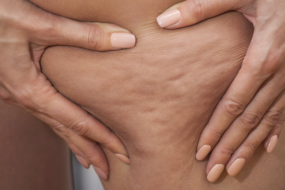
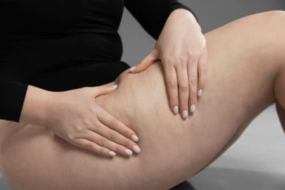
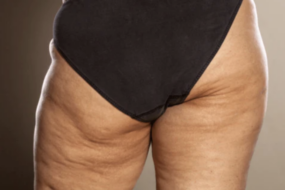
Cellulite is a harmless and incredibly common skin condition—think of it as natural dimpling caused by fat pushing against connective tissue.
Medically, it affects over 80% of women at some point, regardless of size, shape, or fitness level.
Society, though, often tells a different story, casting cellulite as a “flaw” to be hidden or removed before you hit the beach.
The Numbers Behind Cellulite and Shame
Here’s the surprising part: more than 86,000 minimally invasive cellulite procedures were performed in a single year (2021).
Despite its near-universal presence, there’s still a major disconnect between how common cellulite is and the level of embarrassment people feel about showing their skin.
Social media trends and magazine covers still push “smooth perfection” as the norm, creating a gap between real bodies and unrealistic ideals.
Media, Standards, and Social Pressure
Let’s look at what really shapes our perceptions:
- Media representations: Perfect, filtered skin in ads and social feeds.
- Beauty standards: “Cellulite-free” skin sells everything from creams to clothing.
- Peer and family comments: Sometimes subtle, sometimes blunt—either way, it sticks.
Picture this: You're shopping for shorts, catch a glimpse of your thighs in a fitting room, and suddenly feel a wave of embarrassment—even though, statistically, nearly everyone else in that store has cellulite, too.
One reader shared, “I skipped my company’s pool party because I worried people would judge the dimples on my thighs. Later, I found out half my colleagues had the same anxiety.”
The Truth: Cellulite Isn’t a Sign of Poor Health
- Cellulite doesn’t mean you aren’t healthy or fit.
- It isn’t caused by laziness or lack of discipline.
- Genetics, hormones, and connective tissues play the biggest roles.
The reality: If you’ve ever felt ashamed of cellulite, you’re experiencing a learned response—not a reflection of your worth or well-being.
Normalizing cellulite isn’t just an act of self-kindness—it’s a statistical reality. “Your body is already more typical than you think—perfection is the illusion.”
Understanding that cellulite is a common, natural variation can be the first step toward kicking shame to the curb—and feeling good about your skin, just as it is.
Normalizing Cellulite: Reducing Stigma with Awareness
Spot the Myths—Shift Your Mindset
Let’s kick off with a clear truth: over 80% of women have cellulite.
Yet, despite this overwhelming commonality, many still feel pressured to hide it.
Most of us are bombarded by media images of so-called “flawless” skin—think magazine covers, influencer edits, and airbrushed ad campaigns.
These unrealistic standards drive the idea that cellulite is a flaw, when it’s just a normal skin variation.
“Cellulite is not a sign of poor health or fitness—just a cosmetic quirk,” is a fact worth repeating.
Actionable Ways to Reframe Cellulite
Ready to rewrite your inner script? Try adding these tools to your daily routine:
- Positive affirmations: Say out loud, “Cellulite is normal. My body is strong.”
- Celebrate function over appearance: Notice what your legs let you do—walking, dancing, power meetings.
- Challenge myths: Educate yourself and others using stats—86,000+ annual procedures prove how common the experience is.
Picture this: You see a friend wear shorts confidently—her attitude shifts everyone’s energy in the room. That’s the power of normalization.
Role Models and Real Talk
Public figures like Ashley Graham and Jameela Jamil proudly highlight their cellulite in photo shoots and online, fueling a “real bodies” movement.
Campaigns such as #CelluliteSaturday have flooded Instagram, turning taboo into celebration.
What if you spoke about cellulite as casually as freckles or laughter lines? The ripple effects are huge.
- Openly discuss with friends and family
- Support body-positive brands and creators
- Share your journey on social or at work—normalize the conversation
Psychological Costs and Open Conversation
Hiding cellulite can quietly steal your joy—skipping pool parties, leaving your favorite summer dress at home, or ducking out of fitness classes.
Over time, the anxiety compounds, sapping confidence and spark.
Switching from self-criticism to acceptance isn’t instant, but starts with language:
- Swap “I hate how my skin looks” for “I appreciate what my body does.”
- Use group chats or online communities to break isolation—shared experience is healing.
Mindset Is Contagious
The bottom line? Treating cellulite as normal breaks a cycle of shame, opening space for genuine confidence. Just one honest conversation or visible show of self-acceptance can inspire someone else to ditch the cover-up too.
Normalize, educate, and speak up—because your relationship with your body influences how others see themselves, too.
Practical Self-Acceptance Strategies for Lasting Confidence
Embracing Self-Acceptance as a Daily Habit
Self-acceptance is not one-and-done—it’s a daily practice, shaped by conscious choices and gentle reminders.
Start by shifting your inner dialogue: when you catch self-criticism (“I hate how my thighs look in shorts”), actively swap it for a supportive phrase (“My legs help me run after my kids and crush deadlines”).
This small move begins to rewire your mental script and set the tone for genuine body appreciation.
Powerful Self-Talk and Mindset Shifts
Try weaving these quick habits into your day:
- List three strengths your body shows—think strength, resilience, or energy—not just appearance.
- Use sticky notes on your mirror with positive affirmations like, “Cellulite is normal, strong is beautiful,” or “My body deserves comfort and kindness.”
- Practice gratitude each morning: thank your legs for powering workouts, your skin for healing scrapes, your arms for late-night laptop marathons.
Picture this: you’re prepping for a pitch meeting and spy cellulite in the mirror. Instead of spiraling, recite one of your affirmations out loud—and feel how your mindset subtly shifts.
“Your inner voice is your loudest advocate—train it to champion, not criticize.”
The Power of Support Systems and Smart Hacks
Nobody should have to tackle body image alone. Leverage community:
- Join a private group (like the 30,000+ member subreddit r/bodypositivity) sharing real stories—odds are, you’ll spot cellulite twins in every thread.
- Consider therapy: A study shows group therapy reduces shame and increases self-confidence for 78% of participants tackling body image concerns.
- Swap tips with friends; sometimes a genius wardrobe find or self-tanner trick can give you a confidence boost, no surgery required.
Try a bold swimsuit or an outfit that feels like “you,” and celebrate how it frees you from cover-up fatigue.
Self-Compassion, Not Perfection
Setbacks are part of the self-acceptance journey—everyone has low days. If you find yourself stuck:
- Pause and breathe, then remind yourself: “Cellulite isn’t a flaw. It’s a feature shared by more than 80% of women.”
- Treat yourself as you’d treat a friend—you’d never shame them out of the gym or beach, so don’t do it to yourself.
“Body confidence isn’t about never doubting—it’s about showing up, even on tough days.”
Key Takeaway
Self-acceptance is an active choice, not an end goal—use daily self-talk, gratitude, strong community ties, and playful confidence boosts to build resilience against cellulite shame. Focus on progress over perfection, and you’ll find your body confidence grows, one positive moment at a time.
Healthy Habits That Support Body Positivity
Building body positivity isn’t just about mindset—it’s powered by daily routines that support physical and emotional well-being.
Think of healthy habits as your foundation: the right steps can improve mood, boost confidence, and make cellulite feel like just another part of being human, not a flaw.
Small Changes with Major Impact
For busy pros and creators, weaving in powerful routines doesn’t mean overhauling your entire life.
Focus on habits that give you both fast wins and long-term results:
- Move for Feel-Good Energy:
Even 20-30 minutes of walking, dancing, or strength training helps fire up endorphins.
Regular movement tones muscle under the skin, subtly smoothing cellulite and boosting self-image.
- Fuel with Nutrient-Dense Foods:
Fill up on fiber-rich veggies, colorful fruits, and whole grains for vibrant skin.
A high-fiber, low-sodium diet—rather than strict fads—supports healthy circulation and discourages fluid buildup, making dimpling less noticeable.
- Try Daily Massage or Self-Care Rituals:
Rubbing moisturizer into your skin after a shower increases body awareness and temporarily evens skin tone.
Massages, even just a few times a week, can improve circulation—and give you a well-deserved pause.
Breaking Old Myths and Building New Goals
Let’s ditch the yo-yo diets and “miracle” solutions.
Research reveals that restrictive regimens not only backfire metabolically, but also spike body image stress and make cellulite more pronounced over time.
- Picture this: You focus less on “fixing flaws” and more on how morning workouts or a rainbow salad make you feel energized and strong.
- Real-life shift: Jessica, a content strategist, stopped obsessing over cellulite after reframing her goal from “look perfect for the beach” to “be able to jog with my kids and feel awesome in my own skin.”
Proactive Steps for Resilient Skin
If you smoke, quitting now is one of the most impactful changes for skin health.
Data shows skin thinning is more visible in smokers—making cellulite stand out more.
- Try a step-down plan or nicotine replacement, and celebrate every week you stay quit.
- Your skin (and your confidence) will thank you.
Key Takeaway
The fastest path to body positivity isn’t a miracle cream or punishing gym routine.
It’s a set of replicable habits—like moving often, eating for energy, massaging with intention, and dropping “quick-fix” thinking—that leave you feeling good in your skin, every day.
“Love the skin you’re in” starts with the choices you make for yourself—no filters, no apologies, just you.
Treatment Options: Considering Interventions from a Positive Perspective
When you're exploring cellulite treatment, the menu is bigger than ever—and so is the conversation around what “works.”
Popular procedures include:
- Radiofrequency: Uses heat energy to tighten skin and smooth dimples
- Lasers and light-based therapy: Targets fat and improves skin texture
- Acoustic wave therapy: Uses vibrations to break up connective tissue
- Subcision: A minimally invasive release of bands under the skin causing dimples
In 2021 alone, over 86,000 minimally invasive cellulite treatments were performed in the U.S., showing rising demand for options that promise smoother skin.
Navigating Trends and Satisfaction Rates
Picture this—a friend shows off her legs after laser therapy, feeling more excited for pool season than ever.
According to user reviews and recent surveys:
- Most treatments require multiple sessions (usually 3–6)
- Costs vary widely, from $250 to $2,500+ per treatment series
- Satisfaction rates hover between 60–80%, with the highest among those who manage expectations and combine approaches
Despite buzz around quick fixes, it’s normal for effects to last only 6 months to 2 years, and maintenance is key.
Making Confident, Informed Choices
How do you know which treatment—if any—is right for you? Start by asking:
- What’s the recovery time and cost per session?
- Are the results temporary or permanent?
- Is the provider experienced with your skin type and tone?
- What are the most common side effects?
Heads-up: If anyone promises permanent results from a single session, that’s a classic red flag.
Pair Interventions With Self-Acceptance
While smoother skin can boost confidence—many people report feeling more outgoing after treatments—it’s not a substitute for feeling good about yourself at every stage.
Memorable insight: “A treatment might help you love what you see in the mirror, but it’s self-acceptance that gets you out the door.”
Combine any intervention with:
- Positive self-talk routines
- Ongoing healthy habits
- Realistic self-expectations
Sustaining Confidence Beyond the Clinic
Think of these treatments as tools—not total solutions. Even top-tier results fade without maintenance—and you don’t need perfection to participate in life fully.
The most empowering approach? Use interventions only if they serve your happiness, not because you feel pressured to “fix” yourself. Let confidence shape your choices, not the other way around.
Shifting the Narrative: Building a Culture of Body Positivity
Picture this: you see a LinkedIn post where a colleague candidly shares how they felt the first time they wore shorts despite visible cellulite, and the comment section is full of encouragement—not critique.
This is how powerful shifting the narrative can be.
Be an Advocate for Change
Every individual has the power to challenge harmful norms and build a ripple effect of acceptance.
Here’s how you can take action right now:
- Share your story with honesty—online, at work, or among friends. Relatable narratives spark conversations and dissolve stigma.
- Support others by complimenting strengths, not appearances, and standing up if you hear body-shaming jokes or comments.
- Amplify inclusive voices—repost campaigns, creators, and influencers championing real bodies, like #CelluliteSaturday and Dove’s “Real Beauty” projects.
A single, supportive voice can transform someone’s self-image for life.
Influence Your Circles, Professionally and Personally
Beliefs are contagious: ditching shame for positivity can quietly reshape entire workplaces and friend groups.
- Notice how open conversations about body changes lead to higher empathy on teams and in families.
- When you model self-acceptance—maybe you lead a meeting in sleeveless attire—you give unspoken permission for others to show up authentically.
- Encourage shared activities (swims, fitness classes, company wellness events) that celebrate all bodies, reducing avoidance rooted in shame.
“Change starts in your Slack channel, at the family table, or on your Instagram Story—one comment at a time.”
Create and Choose More Inclusive Imagery
If you’re a marketer, content creator, or business owner, it’s your turn to be the example:
- Feature models and user-generated content that show cellulite, scars, and true diversity—don’t default to airbrushed stock photos.
- Use “body neutral” language in campaigns: focus on abilities, experiences, or confidence—not just aesthetics.
- Curate visuals for presentations, product sites, or ads with authenticity at the core.
More than 86,000 annual cosmetic procedures show demand for “fixing flaws”—inclusive imagery breaks this cycle, reducing the perceived need to hide.
Embrace Everyday Actions for Long-Term Change
You don’t need a campaign budget to drive culture shifts.
- Challenge media myths when you spot them; ask, “Is this real, or retouched?”
- Reflect on daily language—replace self-critique with facts: “Cellulite is normal, not a problem to solve.”
- Support inclusive policies in hiring, branding, and community spaces.
The real win: a culture where everyone values body function, story, and individuality over perfection.
Building body positivity isn’t just about how you see yourself—it’s about setting a new standard for what’s normal, real, and worthy of celebration, everywhere you show up.
Conclusion
Normalizing cellulite isn't just self-kindness—it's a radical act that pushes back on outdated ideals and unlocks a more vibrant, confident you.
By shifting your mindset and daily choices, you become the catalyst for personal growth and for culture change in your circles, at work, and far beyond.
Here’s how you can start making real change, right now:
- Challenge negative self-talk: Reframe inner dialogue with affirming, fact-based statements about your body.
- Model body positivity: Show up confidently—whether that’s wearing shorts to the next team outing or sharing your perspective online.
- Choose inclusive imagery: Feature authentic representations in your content and support brands that do the same.
- Foster open conversations: Discuss cellulite and body norms with friends, family, or colleagues to break lingering stigmas.
- Celebrate function, not just form: Appreciate what your body lets you accomplish—professionally, creatively, and personally.
Ready to act? Share one body-positive post on your feed, compliment a colleague’s courage, or start a team dialogue around authentic wellness. Small actions create ripples—and those ripples lead to change.
You have the power to redefine “normal,” for yourself and for everyone in your network. When you choose body acceptance, you make space for others to do the same. Let’s turn self-compassion into the new standard—visible, confident, and absolutely worth celebrating.