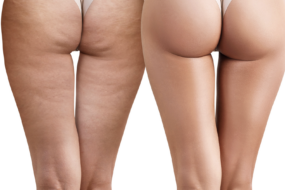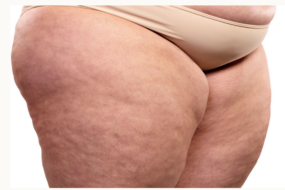

Key Takeaways
Busy day? Here are the core truths about cellulite—stripped of hype and full of actionable facts. These points cut through the noise, giving you the tools to spot myths, support your body confidence, and make informed choices, fast.
- Cellulite is normal, not a health problem: Over 80–90% of women will have cellulite, regardless of weight or fitness level—it's cosmetic, not a medical condition.
- Genetics and hormones set the stage: Your biology, especially estrogen and connective tissue structure, plays the biggest role in whether and how cellulite appears.
- Media and marketing drive cellulite myths: Unrealistic standards and quick-fix promises often profit off insecurity—learning the facts helps you avoid wasting time and money.
- Creams and gadgets promise more than they deliver: No topical or device truly “cures” cellulite—results are usually temporary and modest at best.
- Lifestyle tweaks influence appearance, not root cause: Balanced diet, muscle tone, and hydration can help minimize dimples, but can't erase them entirely due to genetic factors.
- Men can get cellulite too—just less often: About 10% of men experience it, as male skin and fat structures are different—but not immune.
- Chasing “perfection” hurts mental health: Buying into myths fuels *body shame, social anxiety, and lost self-esteem—real confidence starts with refusing the hype.
- Fact-based self-talk and community matter: Counter myths with science and seek out body-positive communities to build resilience, not just a skincare routine.
Cellulite is just biology, not a flaw—challenge the myths, own the facts, and help rewrite the conversation by diving deeper into the main article.
Introduction
Ever looked in the mirror and spotted dimples or ripples on your thighs—then instantly wondered if you were missing some secret health memo? You’re far from alone; in fact, about 80–90% of women will develop cellulite at some point, no matter how many HIIT classes you crush or protein shakes you down.
Despite its sheer normalcy, cellulite remains a playground for myths, miracle cures, and marketing gimmicks—fueling more confusion (and costly purchases) than almost any other skin concern.
If you’re tech-savvy, data-minded, and used to sorting fact from fiction in business or content strategy, you’ll recognize the pattern:
- Viral “fixes” flood your feeds, promising instant results
- Science rarely matches the sales pitch
- Shame, stigma, and filters keep the conversation muddled
Knowing what’s true and what’s just great copywriting isn’t just a matter of self-image; it’s about freeing up your time, energy, and resources for what actually works.
Here’s what you can expect as you read:
- The core science behind cellulite—debunking the most stubborn myths with clear, practical explanations
- How social media, beauty marketing, and even well-meaning friends fuel misunderstandings
- Why cellulite affects nearly everyone (yes, even top athletes and celebs), and why that matters for your mindset
- Evidence-based options for managing what you can control, plus how to spot “miracle” claims from a mile away
- Actionable tips for smarter conversations, whether you’re weighing treatments, messaging clients, or simply scrolling with more confidence
Ready for a perspective shift? The next section separates urban legend from reality so you’ll never look at “cottage cheese skin” the same way again.
What Cellulite Really Is: Science vs. Urban Legend
Cellulite is one of those topics that practically fuels the beauty rumor mill—yet the science is clear and refreshingly straightforward.
Forget the urban legends for a second and picture this: cellulite isn't a special “bad fat” or a sign of unhealthy living.
It's simply how your body stores normal subcutaneous fat—right below the skin—in certain areas.
Thinking in 3D: What’s Happening Under Your Skin
Imagine a mattress with springs (connective tissue) pushing down while soft padding (fat cells) pushes up—you get bumps and dimples.
That’s basically how cellulite forms.
The main players include:
- Fat cells: Clustered under the skin, everyone has them
- Connective tissue bands (fibrous septae): These vertical bands tether the skin down
- Hormones, mainly estrogen: Influence fat storage and connective tissue strength
- Skin thickness: Thinner skin shows dimpling more easily
When the fat cells press up and the bands pull down, you get the classic “orange-peel” or “cottage cheese” texture—whether you’re an Olympic athlete or rarely leave your desk.
Why Cellulite Is Cosmetic, Not Medical
Here’s a crucial fact: Cellulite isn’t a medical problem.
Doctors classify it as a purely cosmetic concern—meaning, it doesn’t harm your health or require medical treatment.
It also strikes at every fitness level, so it’s not a signal to work harder, detox, or chase “perfect health.”
About 80–90% of women will see it at some point—a statistic that puts outdated judgments to rest.
Healthy Fat vs. “Bad Fat”: Busted Myths
One of the most common confusions is treating cellulite as some rogue, “toxic” fat.
In reality:
- Subcutaneous fat (the layer right under your skin) is healthy and essential for insulation, cushioning, and hormone function
- Cellulite just depends on how this fat and connective tissue are arranged, not on excess or “problematic” fat
- Lifestyle and genetics simply affect how noticeable it is—not whether it’s “bad”
Picture this at your next pool day: cellulite is as normal as freckles or birthmarks.
When you understand cellulite’s real origins—normal fat, unique skin structure, and some hormonal luck—the stigma suddenly looks much less convincing.
Your key takeaway: cellulite is common, cosmetic, and not a sign of poor health or failure—just biology, not a moral scorecard or problem to “fix.”
The Anatomy of Myths: Why Misinformation About Cellulite Spreads
Picture this: Open Instagram and you’re bombarded by airbrushed bodies and “miracle” creams promising smooth, flawless skin.
Scroll further and you’ll find bold claims like “Only unhealthy people get cellulite” or “One treatment will erase it for good.”
It’s no wonder confusion thrives—misinformation about cellulite is everywhere, and it spreads fast.
The Root Causes: Media, Marketing, and Societal Pressures
Let’s break down where these myths gain traction:
- Media images showcase unrealistically smooth skin, filtered to perfection.
- Beauty industry marketing leans into insecurity, pushing quick fixes and exclusive solutions.
- Cultural narratives reward “perfection,” fueling a subconscious bias against normal skin textures.
The result? Unrealistic expectations set up most people for disappointment before they’ve even stepped in front of a mirror.
The Social Machine: Rumors, “Miracle” Cures, and Online Virality
Social media doesn’t just amplify facts—it supercharges rumors:
- “Before and after” photos go viral, promising permanent cellulite cures after one session.
- Group chats and forums buzz with DIY tricks that sound scientific, but rarely are.
- Influencers (often unqualified) tout new gadgets, apps, or supplements, making bold promises without backing.
We’re wired to trust people we follow, making misinformation not just appealing—but sticky.
The Psychology: Why Myths Persist
Humans crave quick fixes and certainties—especially for things that hit our confidence.
Common drivers for myth-spreading include:
- Perfectionism: If you believe flawlessness is possible, you’re primed to buy the next big promise.
- Stigma and shame: Feeling singled out by cellulite makes anyone hope for a “magic bullet.”
- Definitive answers: Gray areas are uncomfortable; myths offer comforting clarity, even if they’re wrong.
Why This Matters: The Myth Trap in Action
Imagine believing “Only overweight people get cellulite,” then feeling shame because you’re fit but still see dimples.
Or buying an expensive cream after a viral post, only to end up frustrated—and maybe a little embarrassed.
The real cost here isn’t just financial—it’s the emotional toll of chasing an impossible goal.
Key takeaway: Misinformation flourishes where there’s profit to be made on insecurity, and where myth feels easier than nuance.
Learning to spot these myths instantly changes the game—you’ll waste less time, money, and mental energy, and start seeing cellulite for what it really is: natural, common, and never a personal failure.
Debunking Major Cellulite Myths: Science Backs the Facts
Cellulite might be everywhere on social media, but nearly everything you've heard about it is wrong—often in ways that fuel shame or wasted effort. It’s time to separate science from urban legend.
Myth #1: “Only overweight or out-of-shape people get cellulite”
- Why it's popular: Fitness ads love this idea.
- Science: Up to 90% of women, across all sizes and fitness levels, develop cellulite. Even Olympic athletes have it.
- Real-world: Cellulite is about connective tissue, hormones, and genetics—not just body fat. “Cellulite is an equal opportunity dimple-maker.
Myth #2: “Cellulite means you're unhealthy”
- Why it's popular: It sounds scientific, but it’s not.
- Science: Cellulite is a cosmetic issue, not a medical one. Health status isn’t the culprit—how fat and connective tissue interact is.
- Practical: You can be fit and healthy and still have cellulite. Picture this: even marathon runners have dimpling.
Myth #3: “Cellulite is just excess fat”
Myth #4: “It’s caused by toxins in your body”
- Why they're popular: Simplifies blame—and sells “detox” products.
- Science: Cellulite forms when normal fat pushes against fibrous bands under the skin, creating the trademark dimples. No evidence “toxins” are involved.
- Takeaway: Countless “body toxin” cleanses aren’t based in fact.
Myth #5: “Creams, gadgets, and special clothing can cure cellulite”
Myth #6: “Liposuction is an effective fix”
- Why they're popular: The “miracle fix” myth has huge marketing dollars behind it.
- Science: Most topical products provide temporary or minimal effect. Liposuction may actually make cellulite more obvious by unevenly removing deep fat.
- Share this: “If cellulite creams worked, we’d all have glass-smooth skin.”
Myth #7: “You can diet or exercise your way out of cellulite”
Myth #8: “It only affects older people, women, or those with certain genes”
- Why they're popular: We want control—or someone to blame.
- Science: Diet and exercise help reduce the appearance, but don’t cure cellulite. Cellulite shows up in 80-90% of women, as early as the teen years, and also affects about 10% of men.
- Real-world: Even teens, fitness pros, and people with “good” genes get it. Genetics set the stage, but lifestyle and hormones run the show.
Cellulite isn’t a verdict on your habits or health—it’s a normal result of how your skin and body are built. The actionable truth? Evidence beats hype every time. Understanding what doesn’t work lets you focus on what actually can make a difference.
The Gender and Age Divide: Who Gets Cellulite—And Why
Cellulite isn’t picky—it affects a huge range of people, but the numbers definitely aren’t equal.
In fact, 80–90% of women will develop cellulite in their lifetime, compared to just around 10% of men.
Why the Male-Female Divide Is So Extreme
The difference comes down to how our bodies are built, literally.
Here’s what’s unique about women:
- Fat cells in women are stored in vertical columns, separated by connective tissue bands
- Men’s connective tissue forms a tighter, criss-cross pattern, which holds fat more evenly and prevents dimples
- Men also tend to have thicker skin and more muscle mass, making any skin irregularities less visible
Picture two mattresses—one with bungee cords running straight up and down (women), another with a tight crosshatch of cords (men). The first is a lot more likely to give you that “bumpy” look.
Hormones, Genetics, and Beyond
Hormones are a big driver here.
- Estrogen affects fat distribution and makes the connective tissue in women more prone to dimpling
- Genetics steer how visible cellulite might be
- Vascular factors—like blood flow and fluid retention—also play a role
The bottom line: even with the same diet or exercise routine, women are biologically more prone to cellulite because of this complex mix.
Age Is Not the Barrier You Think
Forget that myth about cellulite as just a “middle age” problem.
- Many people see cellulite as soon as their teens or early twenties
- It can appear or become more noticeable with age as collagen breaks down and skin thins
- While weight changes (up or down) might influence how visible it is, you don’t have to gain weight or get older to see it show up
Cellulite isn’t a punishment for your age or lifestyle. Feeling judged about it isn’t just unfair—it’s inaccurate.
Key Takeaways You Can Use
- Cellulite can affect nearly any woman, at any age, regardless of weight—that’s just biology in action
- If you’re seeing it as a teen, in your 20s, or after kids, you're not alone—it’s the norm, not the exception
- Male or female, young or not, having cellulite says nothing about your health or habits
If you’ve ever compared your skin to filtered photos or wondered “Why me?”—know that the odds, and the anatomy, are simply stacked this way. The real issue? The myths that convince us something normal is a flaw.
Lifestyle, Genetics, and the Limits of Control
When it comes to cellulite, the million-dollar question is: how much can you actually control?
The reality is that genetics and hormones play a big role—picture them like the architectural blueprint of your skin and fat layers.
Yet, your daily habits and lifestyle still matter, just not in the all-or-nothing way marketing suggests.
Genetics Set the Stage—But Don’t Write the Whole Script
If your mom or grandmother had cellulite, odds are higher you’ll see it too.
- Studies show 80–90% of women develop cellulite at some point, regardless of lifestyle.
- Key factors you can’t change: your connective tissue’s structure, estrogen levels, and where your body stores fat.
But don’t buy the myth that you have zero influence.
What You Can—and Can’t—Change
You can’t rewrite your DNA, but you can often tweak how visible cellulite appears.
Here’s what influences appearance:
- Diet: Nutritious eating supports collagen and skin elasticity, while crash dieting or dehydration can make dimpling stand out.
- Muscle tone: Building muscle (think strength training) helps skin sit smoother over fat pockets.
- Smoking: Tobacco breaks down collagen, making cellulite worse.
- Rapid weight loss: Sudden drops can loosen skin, not erase cellulite.
- Pregnancy and hormones: Changes in estrogen and circulation play a real part.
- Chronic stress: Ongoing stress can alter hormone signals, increasing visible cellulite in some people.
Small Real Changes Beat Magic Promises
Don’t fall for “if it’s in your genes, there’s nothing you can do.” Genetics shape your baseline, but:
- Regular exercise and a balanced diet may reduce the look—but won’t fully erase dimpling.
- Incremental, realistic improvements (like firmer muscle or better hydration) tend to stick.
- No lifestyle hack or expensive cream will deliver a totally smooth finish.
Picture this: a runner, sculpted and fit, still has thigh dimples—proof that lifestyle helps, but it’s not all-powerful.
Bottom line? You can influence the visibility of cellulite, but you can’t outsmart biology. Aim for smart changes, not perfection. Real, lasting improvements come from evidence-based habits—so focus on what helps you feel strong and confident, not flawless.
Treatments, Technologies, and the Truth About “Cures”
When it comes to cellulite treatments, the internet is loaded with claims, “miracle” gadgets, and dramatic before-and-after shots.
The promise? That something out there—be it a cream, device, or procedure—will erase dimples for good. Here’s what you really need to know.
The Menu of Treatments: What’s Out There
Advertised solutions range from affordable to sky-high. Picture these options:
- Creams and lotions (caffeine, retinol, herbal blends)
- Massages and lymphatic drainage therapies
- Compression garments or special leggings
- Energy-based devices: lasers, radiofrequency, ultrasound
- Injectables: collagenase, fillers
- Subcision (tiny needle releases bands under the skin)
- Liposuction (surgical fat removal—not designed for cellulite)
A single in-office treatment can cost $200–$3,000+, depending on the technology.
The “Miracle Cure” Trap: Why No Permanent Fix
Despite fancy ads, no treatment guarantees a permanent, universal cure for cellulite—period.
- Temporary improvements are possible, especially with:
- Subcision (6–12 month results for many)
- Some energy devices (modest, short-term smoothing)
- Topical products (slight, brief tightening effect)
- Every option’s effect tends to fade over time.
- Liposuction can actually make cellulite look worse and isn’t recommended.
The real enemy? Unrealistic promises—often backed by great lighting or Photoshop.
What Really Works: Science and Expectations
Here’s what science tells us:
- No cream or device permanently “removes” cellulite
- Some technologies (e.g., FDA-approved subcision, high-powered radiofrequency, injectable collagenase) improve texture for months—but aren’t lifelong solutions
- Lifestyle choices (muscle toning, stable weight, skin care) help reduce visibility, not eliminate the root causes
Super quotable for your feed:
“Cellulite isn’t a flaw to fix, but a normal feature influenced by biology and time.”
“Temporary boost? Sure. Magic cure? Not so much.”
Navigating Hype, Cost, and Your Choices
Before reaching for your credit card, ask:
- How long do results last?
- Is there unbiased research backing this treatment?
- What’s the total cost per year—not just per session?
- Am I being promised the impossible?
Picture this: Someone spending $2,000 on a trending device for quick results, only to see dimples return by year’s end.
If you’re weighing a procedure, treat “permanent fix” language as a red flag. Expert-backed treatments exist, but none erase cellulite forever.
Science shows that most “miracle” fixes deliver, at best, a modest and temporary smooth-up. If you’re exploring treatments, focus on evidence, realistic timeframes, and your genuine goals—not just Insta-worthy promises.
The Impact of Myths: Body Image, Social Perception, and Self-Esteem
The myths surrounding cellulite don’t just shape our knowledge—they shape how we feel about ourselves and others.
When 80–90% of women are affected, but “flawless” skin is seen as a standard, it’s easy for everyday women to feel like they’re falling short.
How Myths Fuel Insecurity and Negative Self-Talk
Picture this: You’re scrolling social media, bombarded with “after” photos, promises of miracle creams, and perfectly lit influencers with zero visible texture.
It’s no wonder that…
- 72% of women say they’ve felt self-conscious about their skin or body texture.
- The drive to “fix” cellulite can trigger a lasting cycle of comparison, shame, and low self-worth.
- Perfection-chasing creates a mental load that drains confidence and distracts from things that actually matter.
The Ripple Effect on Relationships and Daily Life
These myths don’t just impact us alone in front of the mirror—they leak into how we interact in relationships and our willingness to seek support.
Consider these scenarios:
- Canceling plans for pool days or gym classes due to anxiety over “showing skin”
- Feeling judged or less attractive within romantic relationships
- Avoiding honest conversations about body concerns—even with close friends
Misinformation keeps these anxieties in the dark, making it tougher to reach out for help or community support.
Why Accurate Information—and Community—Matters
Getting the facts is more than just debunking rumors; it’s a direct pathway to self-acceptance.
Key steps for breaking the cycle:
- Remembering cellulite is not a sign of poor health or personal failure
- Leaning on evidence-based info to reset your internal narrative
- Connecting with others—online or offline—who value real conversations over unattainable ideals
Look for communities, support groups, or expert sources dedicated to positive body image and realistic skin health (see our pillar on psychological support and community resources).
When you recognize cellulite myths for what they are—stories, not medical verdicts—you create space for real confidence and healthier self-talk. Empower yourself with facts, and remember: “Most bodies have cellulite. That’s just how human skin works.”
Toward a Healthier Conversation: Embracing Facts and Self-Compassion
Picture this: You’re at lunch, someone mentions “miracle cellulite cures,” and a quiet cringe ripples through the room. Want to shift that dynamic? Challenge myths—and introduce science—right when it counts.
Busy readers, here’s what to remember: Cellulite is normal, common, and not a medical problem. Knowing this lets you reframe your own self-talk and help others do the same.
Action Steps: Debunking Misinformation, Supporting Yourself
Adopt these practical habits to rewire how you think and talk about cellulite:
- When you hear myths, respond with facts: “Actually, 80–90% of women have cellulite, regardless of weight or fitness.”
- Choose your sources wisely: Trust dermatology organizations, not influencers selling lotion.
- Shift your self-talk: Replace “I need to fix this” with “This is a natural part of my skin’s structure.”
Want a ready-made icebreaker? Try, “If there really was a quick fix, wouldn’t 90% of women be using it already?”
Making Body Positivity More Than a Hashtag
Constant comparison, especially on social media, fuels insecurity and keeps these myths alive. Instead, focus on these strategies:
- Curate your feeds: Follow accounts that celebrate real bodies and scientific information.
- Speak facts: Normalize phrases like “Cellulite is determined mostly by hormones and genetics.”
- Embrace imperfection: Remember, skin texture is natural—like hair color or height.
Snippets you can share:
- “Cellulite isn’t a flaw; it’s a feature most bodies have.”
- “No one’s skin is supposed to look airbrushed.”
Resources and Where to Go Next
Life’s too short for shame spirals. There’s plenty of support out there—both online and IRL:
- Explore reputable sources: American Academy of Dermatology, Mayo Clinic, and NHS resources offer trustworthy facts.
- Join communities: Look for body-positive forums or in-person groups.
- Consider professional support: If myths are harming your confidence, a therapist specializing in body image can help.
For science-backed details on treatments that actually help, or for in-depth guides on skin health and psychological well-being, check out the next sections or linked resources.
What’s most empowering here? You control the narrative about your own body. The next time cellulite myths surface, you’ll have both facts and empathy on your side—no miracle cream required.
Conclusion
Knowing how cellulite really works puts you in the driver’s seat—no more getting sidetracked by shame, empty promises, or miracle cures. Shifting focus from perfection to empowerment builds both resilience and confidence in how you see your body.
You now hold the benefit of evidence—not hype—which helps break free from stigma and redirect your energy toward what truly makes a difference. Real empowerment starts with facts, not filters.
Here’s how you can cut through the noise and support both yourself and others right now:
- Speak up when myths are shared—replace fiction with facts
- Curate your social feeds for body-positive, science-based content
- Shift your internal dialogue: trade “flaw” for “feature” and show yourself compassion
- Prioritize reputable sources—dermatologist-led sites, not product ads or viral posts
- If cellulite talk triggers self-doubt, connect with supportive communities or mental health pros
Ready to turn knowledge into action? Start by sharing an eye-opening statistic (“90% of women experience cellulite at some point”) in your next group chat or meeting. Take 10 minutes today to unfollow any account that makes you feel less-than, and replace it with one that normalizes real bodies.
Remember: cellulite is the norm, not the exception—and chasing flawlessness is a losing game. The quickest way to disrupt the myth machine is to challenge misinformation—out loud and often. Real progress isn’t about erasing dimples; it’s about reshaping conversations and attitudes, starting with your own.
A culture shift starts one confident conversation at a time. What if your next post helped someone stop chasing perfection—and start embracing what makes them real? Now that’s a trend worth going viral.